
We may earn commissions from products we recommend. Learn more.
How to bypass age verification on porn websites in Australia in 2026 with a VPN

How to bypass age verification on porn websites in Australia in 2026 with a VPN?
Adult websites are widely accessible online - however, in Australia, users may encounter new barriers when accessing these sites. Regulators have recently increased scrutiny of platforms that host or distribute adult material, especially where minors could gain access. As a result, visitors may come across stronger age verification or access restrictions on certain sites.
These measures do not make legal adult content illegal. Instead, they stem from Australia's broader online safety and classification framework. Therefore, in practice, it can lead to age-verification systems, compliance notices, or even website blocks. While the primary goal is to limit access for minors, for adult users - it may feel like a "ban" on legal content.
This article explains how age verification works in Australia and associated privacy risks, as well as provides a guide on how to use a VPN (Virtual Private Network) service to access adult sites.
Disclaimer: PCrisk.com does not promote, encourage, or endorse the bypassing of age verification measures. This information is provided for educational purposes to help adult users understand their privacy options. It is not intended for minors, and we strongly advise that underage individuals do not attempt to circumvent age checks. Always abide by local laws - use any methods described at your own risk.
 Our top-rated VPN
4.5/5 in our review. Our top pick of the year: almost no slowdown in our speed tests, and it unblocked Netflix, BBC iPlayer and Disney+ without trouble.
Table of Contents:
- Introduction
- Australia's "pornography ban" and age verification laws
- How does age verification work on adult websites in Australia?
- Privacy risks of verifying your age
- Risks of using adult websites that do not require age verification
- Bypass age verification in Australia with a VPN in 2026
- Best VPNs to bypass age verification on adult websites in Australia
- Can you use a free VPN to access adult websites in Australia?
- Common issues and solutions when accessing adult websites with a VPN
- How to access adult websites in Australia without a VPN?
- Is using a VPN to bypass age verification legal in Australia?
- In closing
- Frequently Asked Questions (FAQ)
Australia's "pornography ban" and age verification laws
In Australia, pornography is not broadly illegal for adults; however, certain content has long been designated as adult-only under the National Classification Scheme. This scheme is a cooperative arrangement between the Australian Government and state and territory governments. Therefore, some categories are legally restricted to adults and receive classification labels, such as R 18+ (restricted to adults) and X 18+ (restricted to adults and used for sexually explicit films).
Why does it feel like a "pornography ban" in 2026?
In 2026, new Australian regulations on pornographic content may feel like a "porn ban", although that is not the case. Beginning March 9, 2026, Australia implemented a second phase of industry codes overseen by the eSafety Commissioner. It resulted in the introduction of stronger age-assurance measures across several major areas of the online ecosystem, including pornography websites, social media platforms that permit adult material, app stores distributing R 18+ apps, online games rated R 18+, and AI services that can generate sexually explicit content.
If a site is required to verify that you are 18 or older before displaying age-restricted content, typically, you will:
- Be prompted to complete an age verification;
- Be prevented from accessing adult content until verification is completed;
- Be blocked from accessing the website from your region if it has not implemented the required safeguards.
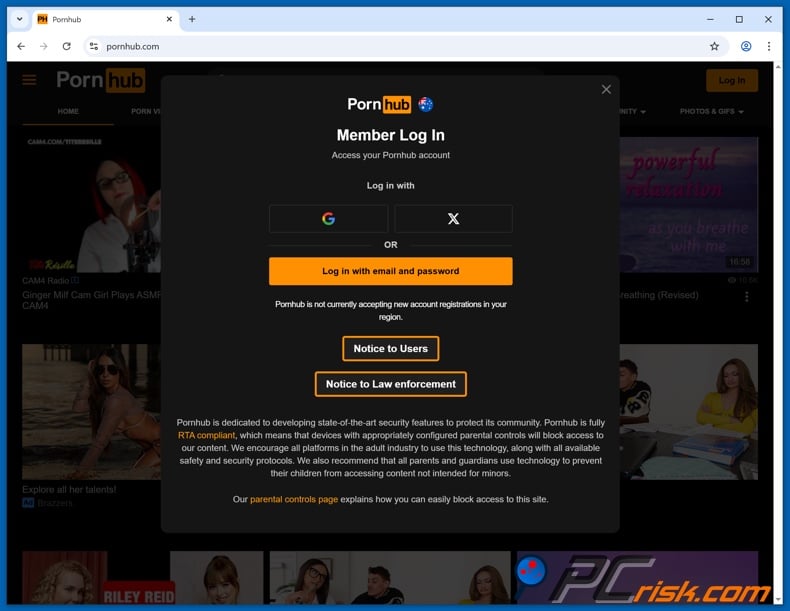
In response, some mainstream adult websites started restricting access from Australia around the compliance deadline (March 9, 2026). There have been reports describing instances wherein users from Australia encountered alerts stating that new account registration is unavailable, and subsequently saw only limited or non-explicit content instead of having full site access.
How does age verification work on adult websites in Australia?
Australia's age-restriction rules for online services are not limited to a single law targeting adult sites. The Online Safety Act framework relies on industry-developed codes, registered by the eSafety regulator, to establish enforceable obligations that protect children from age-inappropriate material (i.e., pornography, high-impact violence, self-harm content).
"Age-Restricted Material Codes" were registered and came into effect in stages:
- Three age-restricted codes for hosting, Internet carriage, and search engine services were added to the register on June 27, 2025, and came into effect beginning December 27, 2025.
- Six additional age-restricted codes for app distribution platforms, social media services, equipment providers, relevant electronic services, and designated Internet services were added to the register on September 9, 2025, and took effect on March 9, 2026.
Simply put, by March 2026, the controls moved from "optional filters" and "safe search settings" into direct age gating for certain services, including pornography websites.
Key age verification requirements in Australia:
- Age verification is required for certain services, such as pornography sites, online games rated R 18+, and app stores offering R 18+ app downloads (including simulated gambling).
- Selecting prompts like "I am 18 years or older" is no longer sufficient for accessing restricted websites and services.
- Services may choose their age verification methods, but these must qualify as "appropriate age assurance" and be technically accurate and reliable.
- Services must limit personal information collection and comply with Australian privacy laws, including the Privacy Act.
- eSafety guidance advises against relying solely on government-issued IDs and recommends offering multiple verification methods.
- Providers are expected to take reasonable steps to prevent workarounds (including VPNs). Enforcement targets providers and systemic non-compliance, and failure to comply with a code may lead to penalties of up to 49.5 million AUD.
Basically, pornographic content featuring consenting adults remains legal for adult users to watch in Australia. The goal of stronger age verification methods is to limit access for underage users, rather than prohibit the adult content itself.
How does age verification work on adult websites in Australia?
Australian regulations do not require all services to use a single biometric system; various methods are permitted if they meet the "appropriate age assurance" standards and privacy requirements. Hence, adult sites and services often use several age check options.
The following are the most common age verification and assurance methods:
Photo ID matching - this method requires users to submit a photo of an identity document (e.g., passport, driver's license, etc.). It is one of the most direct forms of age checking since it relies on a verified birthdate. In its most strict implementation, users may also be asked to provide a selfie or a live face recording - to prevent the use of stolen or shared IDs.
Facial age estimation - is a method that uses AI models to determine if a user is likely over eighteen, by analyzing facial characteristics. In practice, this often appears as granting the "allow camera access" permission, aligning your face in the viewfinder, and the system returning a "pass/fail" or providing a fallback verification method.
Debit or credit card checks - the basis of this method is that, typically, cards are issued to adults. This option is more often used by paid services, as the billing infrastructure already exists. However, it is not a faultless age verification method - so it might be presented as a supplementary option.
Digital identity wallets or systems - is an acceptable method according to eSafety. Hence, instead of transferring sensitive data like an ID copy to a website, a wallet can be used to confirm the owner's age.
AI-based age estimation and age inference - an often misinterpreted option. It attempts to estimate the user's age/ age range based on contextual, behavioral, transactional, or environmental signals (e.g., service usage, settings, transactions, etc.). If the collected data is inconclusive, the system may prompt a more vigorous age check.
Parent confirmation - is a permissible method for certain services, and not adult content in general. Where applicable, this option appears as part of a "child account" or parental controls.
The frequency of age verification depends on the specific service and its risk assessment. According to eSafety, some services may accept a single check for multiple sessions or connected platforms, while others may require verification for each session or specific action.
Privacy risks of verifying your age
In Australia, age verification measures are being introduced to limit children's access to pornography and other explicit content. However, these measures generate additional privacy and data security concerns for adults. For users to verify their age, they may need to submit sensitive information, such as identification documents or biometric data.
Below are the primary privacy concerns and risks:
Data breaches and exposure of sensitive documents or biometrics: databases containing information of this nature may be targeted by malicious third parties. Even if the main platform that users seek to access remains secure, vulnerabilities in the verification chain may compromise the data. Online identification processes are often opposed as they can retain copies of the identifying information. There may be no guarantees that the disclosed data is not stored, and even if claims as to data minimization are made - checking how long the information is kept or who can access it - may be impossible.
Data over-collection and function creep: without strict governance, age assurance may lead to excessive information gathering. Age verification data and analytics could be collected beyond what is necessary, potentially resulting in long-term user profiling. It has been observed that some providers retained data in anticipation of future regulatory requirements. Over-collection increases profiling, privacy, and safety risks.
Loss of anonymity and increased identifiability: typically, age gating reduces anonymous browsing, particularly when it necessitates identity verification instead of relying on privacy-preserving methods. This issue is especially significant for adult content due to its sensitive nature. If browsing history, log-in records, or verification details are leaked - users may face disproportionate personal consequences (stigma, harassment, extortion, etc.).
Third-party age assurance vendors and accountability gaps: many entities prefer not to develop their own age verification systems and choose specialized vendors instead. It raises several questions - such as who holds the data, is it stored, deleted, and what is the data breach protocol. Utilizing third-party verifiers and a "double-blind" model limits the visited platform's access to visitors' information. Entities that are required to implement age assurance often prefer this method, as it might transfer some data-handling accountability to the verifier.
Biometric accuracy, bias, and false outcomes: age estimation methods can reduce the need for users to provide documents or other highly sensitive data, yet they could result in false rejections/acceptances. The concerns center accuracy, demographic impacts, technical limitations, and error rates. Additionally, users who are incorrectly blocked will likely need to use more invasive methods to verify their age.
Risks of using adult websites that do not require age verification
As age verification becomes more widespread, some users may seek websites that do not comply with age assurance regulations. However, sites advertising "no verification required" are often noncompliant in other aspects as well, which could seriously endanger visitors.
The following are the primary risks associated with adult sites that do not use strong age checks:
Malvertising and malicious redirects - some adult websites are monetized using rogue advertising networks that may promote deceptive/malicious content (including scams and malware) and produce redirects to suspicious/dangerous sites.
Phishing, technical support, and other scams - deceptive content may be promoted through the advertising networks used by pornography websites. However, adult-themed webpages often serve as lures for phishing scams that target log-in credentials, personally identifiable information, or financial (payment) data.
Heavy tracking and sensitive data leakage - some adult sites have extensive third-party tracking, which increases data leak and profiling risks. These issues extend beyond advertising and can lead to sensitive inferences about users.
Extortion and sextortion targeting - malicious adult websites have been observed being used for scams and malware that exploit the stigma of adult browsing to engage in extortion schemes.
To summarize, adult browsing should be approached with the same level of caution as any other potentially sensitive online activity. Devices should be kept up-to-date with the latest security updates, and the same applies to browsers. Personal information should be shared carefully and after checking the authenticity of the requester. Using a reputable VPN service can lower the visibility of online activity to ISPs (Internet Service Providers) and enhance security when using public Wi-Fi networks. However, a VPN is not a replacement for good cybersecurity practices - including secure devices and browsing habits.
Some websites that seem easy to use can actually put you at risk for scams, dangerous downloads, and harmful browser add-ons. Combo Cleaner helps by scanning your downloads in real time, blocking scams and phishing sites, and removing unwanted browser extensions that cause pop-ups, ads, or tracking.
 Made by RCS LT, the company behind PCrisk
- Detect malware already on the device
- Block phishing pages once you open them
- Remove adware or browser hijackers
- Scans for free and shows what it finds
- Removes it with a licence, 7-day free trial
- Blocks scam and phishing sites in the browser (Windows)
Bypass age verification in Australia with a VPN in 2026
A VPN (Virtual Private Network) service typically encrypts your Internet traffic and routes it via a server managed by the VPN provider. Hence, these tools can obscure your browsing activity from your local network and ISP (Internet Service Provider), and change the IP address perceived by the websites you visit.
However, it must be mentioned that eSafety (the overseer of the new age assurance regulations in Australia) has stated that service providers must take reasonable steps to prevent bypasses, including VPNs. Therefore, while using a VPN is the practical approach to accessing adult content from Australia - no VPN service can guarantee consistent and uninterrupted access.
If you are an adult and want to use a VPN to access adult content in Australia, typically, it is a simple four-step process:
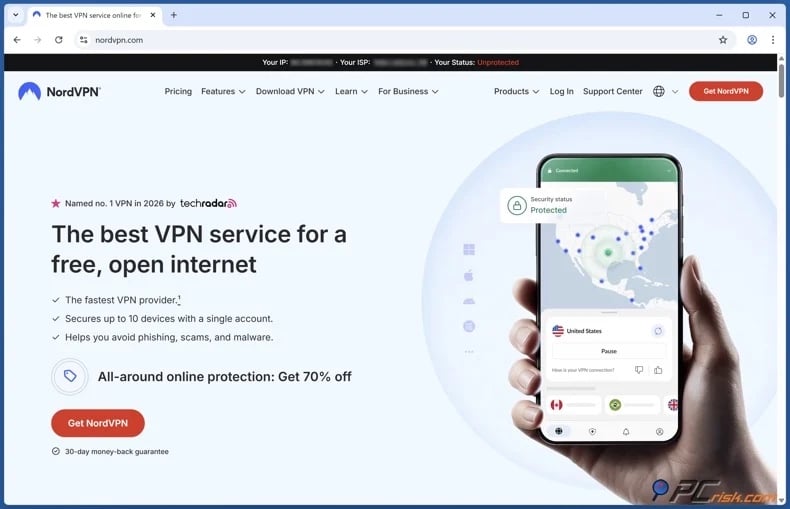
1. Pick a reputable VPN provider. Choose a service that offers a broad server network for the best chances of bypassing geoblocks/geo-restrictions and enough alternatives when a server gets blocked. Also, look for a VPN that provides fast and stable speeds, as they are essential for streaming video. Do not forget to search for a VPN that offers strong privacy features. We recommend NordVPN - our Top VPN Choice for 2026.
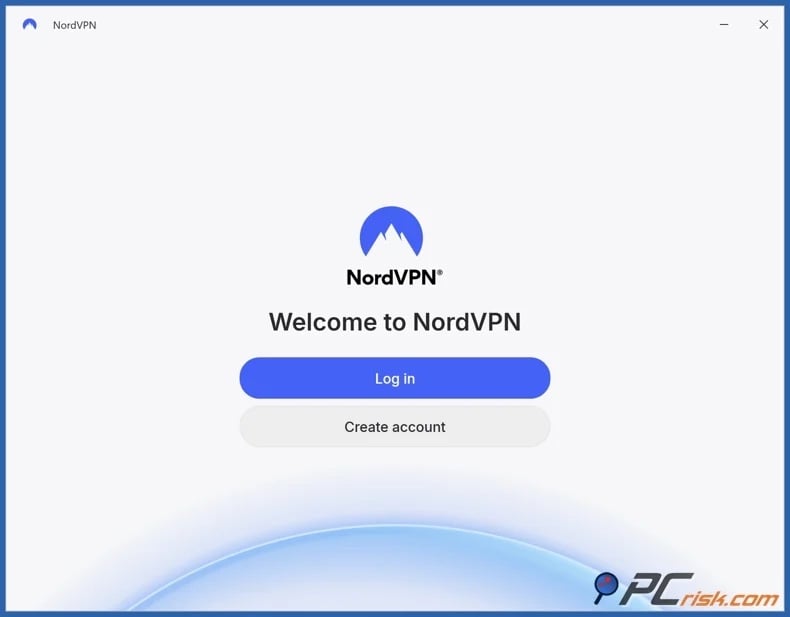
2. Download and install the VPN app and sign in. Most major VPN services support multiple platforms (Windows, macOS, Android, iOS, and other streaming hardware).
3. Connect to a server located outside Australia. We recommend selecting a server that is geographically closer to you - to reduce any potential speed loss. As of the time of writing, New Zealand does not have any analogous age verification regulations for accessing pornographic content.
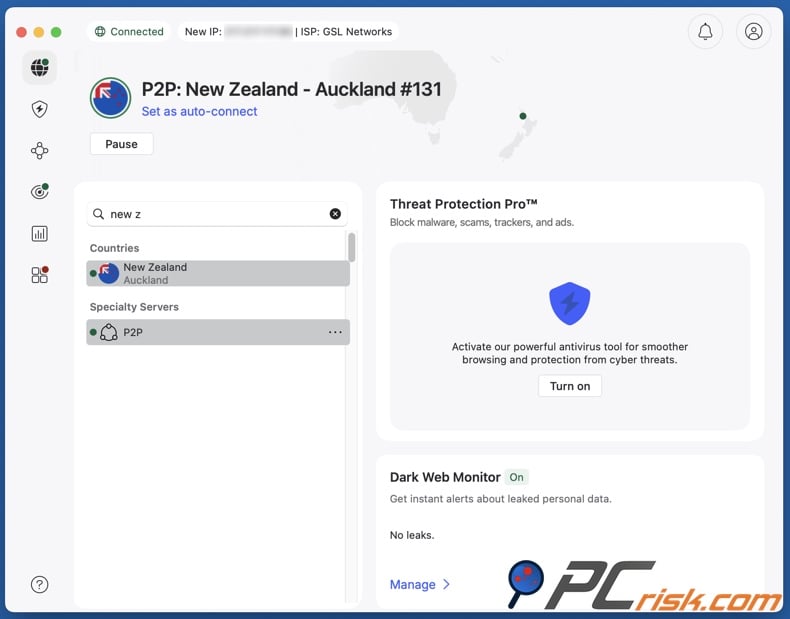
4. Open the website and begin browsing. If the site continues to block you or ask to verify your age - switch servers, as the previous one might have been blocked or located in a similarly restricted region. If access continues to fail, clear browser cookies to eliminate any potential conflicting location signals. Check out the "Common issues and solutions when accessing adult websites with a VPN" section in this article if you continue experiencing issues.
Best VPNs to bypass age verification on adult websites in Australia
If you are choosing a VPN specifically for adult-site access and privacy in Australia, focus on these four aspects:
- Large server network
- Stable streaming performance
- Strong privacy posture
- Reliability when switching servers and devices




The following are our VPN recommendations (detailed information and comparisons are available in our Top Five VPNs for 2026 article):
1. NordVPN
NordVPN - our overall Top Choice. This service offers a vast server network, high speeds, and strong privacy features. NordVPN is also easy to use, and users can quickly switch locations when a website blocks a specific IP range.
2. Surfshark
Surfshark - unlimited device connections and budget-friendly. Perfect for households, as this service does not limit device connections. Surfshark likewise boasts a large network of servers and strong speeds.
3. Mullvad VPN
Mullvad VPN - ideal for privacy. This service is the best choice for users who wish to minimize their personal data footprint, even when subscribing. Mullvad's no-logs policy has been independently audited, registration does not require private details (not even an email address), and there are anonymous payment methods. However, this VPN has a comparatively smaller server network - which may require more trial and error in server selection.
4. Proton VPN
Proton VPN - transparency and security. This service is notable for its free plan, which does not limit data but has fewer servers than its paid tiers. Hence, Proton VPN's paid plans are the better choice for streaming and bypassing geoblocks/geo-restrictions.
5. ExpressVPN
ExpressVPN - easy-to-use premium service. It is the pricier option that offers a variety of features, including a broad server network and high speeds. Additionally, ExpressVPN's applications are well-designed and simple to use.
It must be reiterated that no VPN can guarantee uninterrupted access to any specific website or service. Many entities make a conscious effort to detect and block VPN traffic.
Can you use a free VPN to access adult websites in Australia?
While free VPNs are widely available and may be technically sufficient to change your IP address - thus allowing you to access pornography sites from Australia without verifying your age - these services usually come with significant limitations and risks.
Below are the primary drawbacks and threats associated with free VPN services:
Security Vulnerabilities and Data Exposure
Many free VPN applications fail to provide reliable traffic protection, e.g., lacking DNS-leak protection or a "kill switch" feature. These services might not properly encrypt your traffic and expose you to risks of data leaks.
User Tracking and Data Monetization
Running a VPN server requires funds to uphold the infrastructure (servers, bandwidth, maintenance, etc.), and it is not uncommon for revenue to come from dubious and even nefarious means. Free VPNs may share or sell user data with third parties. These services may also be monetized through aggressive advertising, and the promoted content may be deceptive and even malicious. Therefore, these VPNs may endanger user privacy and device safety.
Performance Limitations
Free VPNs may have data limits, which could be easily exhausted with bandwidth-intensive activities like streaming. Another hurdle is speed limitation, which could result in pages failing to load, continuously buffering videos, and other serious decreases in browsing quality. Similar issues could be caused by server overcrowding. Furthermore, free VPNs typically offer small server networks, which can make finding an unblocked server a herculean or even impossible task.
Increased Risk of Suspicious Applications During Demand Surges
It has been noted that when VPN demand surges, the market can be flooded with suspicious and even fake applications. Free VPNs may be bundled with unwanted or malicious apps. Fake VPN services can also be a disguise for malware. Hence, these tools require adequate research prior to download/installation.
If you prefer a free option, choose a reputable provider that focuses on converting free users to paid customers rather than one relying on questionable monetization methods. We recommend the free plan from Proton VPN, which has no data caps but offers fewer servers than its paid tiers.
Common issues and solutions when accessing adult websites with a VPN
Even with a perfect VPN setup and a trustworthy service, problems with access may still arise. The following are the most common issues and their solutions:
Issue: website continues to block you or request age verification even with the VPN on
Potential causes:
- Website has blocked the server you are connected to.
- You are connected to a server in a similarly restricted region.
- Cached data is conflicting and revealing your actual location.
Solutions:
- Connect to another server (try others in the same country, then a different country).
- (If available) change protocols; some work better on certain networks.
- (If available) test the obfuscation/stealth mode offered by your VPN.
- Clear cookies/cache to eliminate potential location signals.
Issue: slow speeds and buffering
Potential causes:
- VPNs encrypt traffic and route it - some speed loss is expected.
- You are connected to a server that is far away, which exacerbates the speed loss.
- VPN is not at fault; the speed issues are due to a slow base Internet connection or other unrelated factors.
Solutions:
- Connect to a different server.
- Connect to a server closer to your actual location (such as New Zealand or another close location).
- (If available) check server congestion and select a less crowded option.
- Avoid peak hours on high-demand servers.
- Check your base Internet connection.
Issue: continuous CAPTCHA checks or repeated "suspicious activity" alerts
Potential cause:
- Rapid server switching, which can be misinterpreted as "bot behavior".
Solutions:
- Reduce server switching.
- Clear cookies/cache.
- Use a consistent setup.
- Try using a private browsing window.
Issue: your real location still leaks
Potential causes:
- Cached data includes location signals.
- Your actual IP address is revealed when a VPN connection is unstable or drops.
Solutions:
- Clear cookies/cache.
- Use a private browsing window.
- Disable location permissions in browser/app, use privacy-safe defaults.
- Do not grant location permissions for sensitive browsing.
- (If available) enable DNS-leak protection and "kill switch" features, designed to protect your data during connection drops.
It is pertinent to mention that reputable VPN services usually offer reliable and quick customer support, which may be able to resolve the issues you experience when trying to access adult websites from Australia.
How to access adult websites in Australia without a VPN?
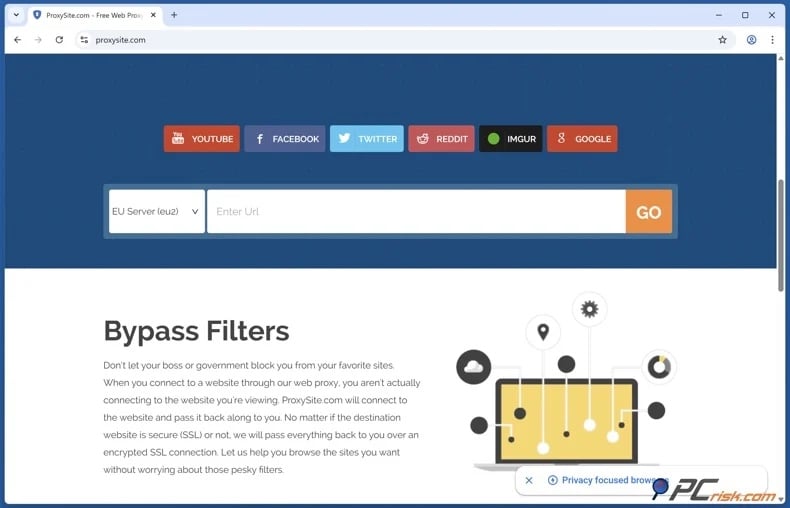
There are alternatives to VPN services, such as Open (web-based) Proxies and the Tor Browser. They may be sufficient in allowing you to access adult sites from Australia, yet are not great long-term solutions and have their own drawbacks.
An open (web-based) proxy is a publicly accessible intermediary server that forwards Internet traffic on behalf of users. When a connection is established through an open proxy, the user's request is sent to the proxy server, and it contacts the destination site using the proxy's IP address. Hence, the traffic appears to come from the proxy's location rather than the user's.
Pros:
- Open proxies can bypass basic IP-based restrictions or network filters (provided the proxy is not located in a similarly restricted region).
- Open proxies are generally easy to use and often require no installation.
- Open proxies can be useful for quick testing or basic access verification.
Cons:
- Open proxy operators are often unknown and may be logging user data.
- Traffic passing via an open proxy may be monitored, modified, or injected with malicious content.
- Open proxies are often unreliable, slow, or overloaded (which can make them a poor choice for activities like streaming).
- Open proxies often provide minimal or no encryption and lack privacy protection.
Due to these risks, open proxies tend to be considered high-risk for sensitive browsing activities, such as watching pornography online.
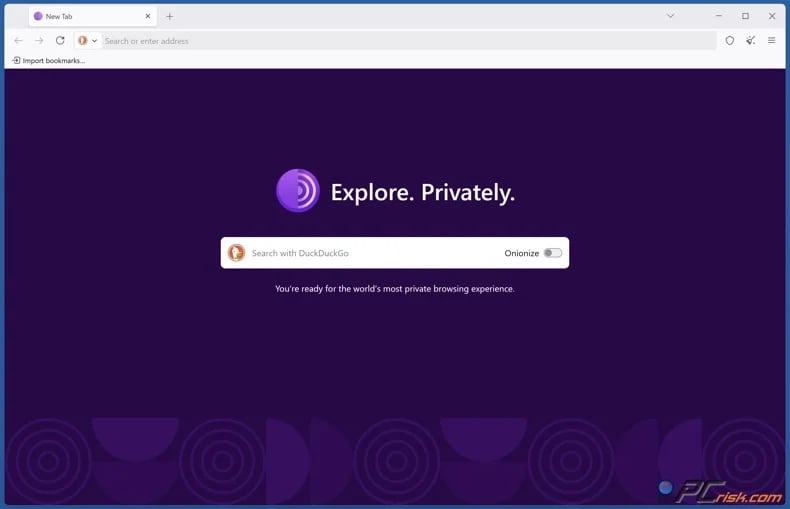
When using the Tor Browser, users' connections are routed through multiple volunteer-operated relays. Each relay is aware only of the preceding and subsequent nodes in the chain - thus no single node is able to identify both the user's origin and their final destination.
Pros:
- Tor Browser offers strong anonymity protections by separating the user's identity from the destination website.
- Tor Browser is free and open-source, supported by a global network of volunteers.
- Tor Browser is effective for bypassing Internet censorship and hiding users' locations.
Cons:
- Tor Browser typically operates much slower than reputable VPN services (which can hinder activities like streaming or make them virtually impossible).
- Many websites block or restrict connections originating from Tor exit nodes.
- Compatibility issues - some devices are incompatible with Tor.
- Risk of malicious Tor exit nodes observing or modifying unencrypted traffic.
While Tor protects the routing of Internet traffic, users should still rely on secure HTTPS connections to ensure that their data remains encrypted between them and the website.
Is using a VPN to bypass age verification legal in Australia?
VPN use is generally legal in Australia. These tools are commonly used for privacy and security purposes, both by home users and businesses. The purpose of Australia's age assurance framework is to prevent minors from being exposed to age-inappropriate content. The obligation is placed on providers, and not adult users seeking to access legal content. Enforcement of compliance likewise primarily targets the service providers.
While eSafety indicates that there are no penalties for children who access age-restricted content, it is not a loophole. Additionally, while the minors themselves will not face any direct legal repercussions for accessing legal pornographic content - any adults involved in facilitating access could face some type of ramifications.
Although VPN usage itself is legal, these services do not negate personal responsibility. To elaborate, violating the Terms of Service (ToS) of a service may result in account restrictions, deletion, or other consequences. Likewise, engaging in illegal activity remains illegal and retains the same legal repercussions.
Currently, there is no specific Australian law criminalizing adults using a VPN to access age-restricted content. However, laws can change, and it is paramount to stay up-to-date with current law.
In closing
In 2026, Australia's online age restriction policy has moved away from informal "I am over 18" checkboxes to stronger age assurance requirements under the Online Safety Act. While it is fully legal for adults to access pornography websites, the platforms themselves must implement adequate age checks.
The best way to avoid age verification on adult sites in Australia is to use a VPN. These services can bypass geoblocks, change your apparent IP address, and enhance your online privacy. However, remember that uninterrupted access to any given website or service is not guaranteed by a VPN. In summary, stay informed, use trustworthy tools, and practice sound online safety practices.
Our top pick of the year: almost no slowdown in our speed tests, and it unblocked Netflix, BBC iPlayer and Disney+ without trouble. $3.39/mo on the 2-year plan or $4.99/mo on the 1-year plan, 30-day money-back guarantee. Compare all three
Frequently Asked Questions (FAQ)
What is age verification for porn websites in Australia?
Age verification is the process for confirming users' ages as used by pornography sites and other services hosting certain mature content. Under Australia's new framework, simple self-declarations alone (e.g., "I am over 18" checkbox) are no longer sufficient.
Can I watch porn in Australia without verifying my age?
Since March 9, 2026, pornography websites and other high-risk services are expected to implement stronger age verification measures for users accessing from Australia. Therefore, accessing compliant services and skipping age verification is not possible without a bypass tool like a VPN.
How do websites verify age without ID?
There are other age verification methods that do not rely on direct document copy uploads, such as digital identity systems, debit/credit card checks, facial age estimation, AI-based age estimation from aggregated data (transactional, behavioral, etc.), and parental confirmation (for certain services only).
Why are adult websites asking for age verification?
New Australian regulations are intended to restrict minor access to age-inappropriate material (such as pornography). Service providers hosting adult content are obligated to implement appropriate and effective methods to verify users' ages.
Share:
 Facebook
 X.com
X.com
 LinkedIn
 Copy Link

Karolis Liucveikis
Experienced software engineer, passionate about behavioral analysis of malicious apps
Author and general operator of PCrisk's News and Removal Guides section. Co-researcher working alongside Tomas to discover the latest threats and global trends in the cyber security world. Karolis has experience of over 8 years working in this branch. He attended Kaunas University of Technology and graduated with a degree in Software Development in 2017. Extremely passionate about technical aspects and behavior of various malicious applications.
▼ Show Discussion